
Kubernetes - K8s
Kubernetes training: target audience
This course is aimed at system administrators, operations engineers, developers, architects and DevOps practitioners.
Master container orchestration with Kubernetes!
- 3 days
- 4 days with CKAD option
- 8 participants MAX
- In Geneva or at your premises
Kubernetes - K8s
Kubernetes training: course outline
- Overview
- Container refresher
- Kubernetes ecosystem and the CNCF landscape
- Architecture overview
- Anatomy of Kubernetes
- Cluster topologies
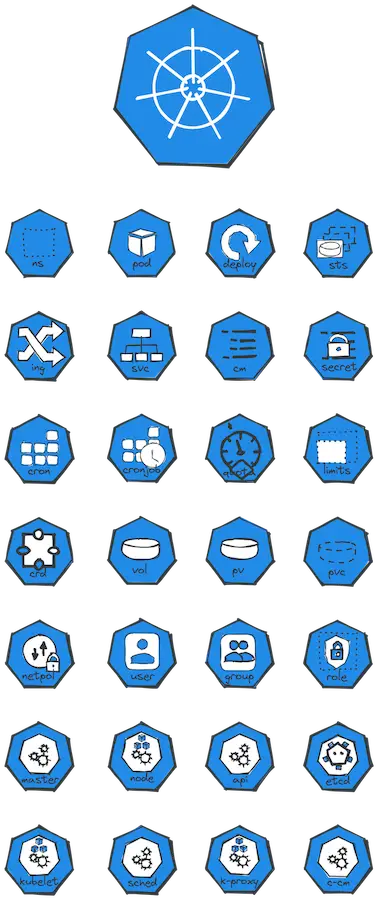
- API and concepts
- Kubectl and the REST API
- Core concepts, Pods
- Controllers: deployments, stateful sets, daemon sets
- Jobs and cron jobs
- Application networking
- Networking & K8s services
- Ingresses
- Configuration and persistence
- Injecting configuration (ConfigMaps)
- Secrets and their limitations
- Volumes, persistent volumes and claims
- Deployment, scheduling & lifecycle
- Scheduling (node selectors, affinities, anti-affinities, resource limits, Pod priorities…)
- Deployment details: scaling and upgrade strategies
- Application packaging
- GitOps approaches
- Helm packaging
- Kustomize
- Creating a lightweight local cluster for experimentation
- Minikube
- K3d
- Observability mechanisms
- K8s probes
- Init containers
- Kubernetes dashboards
- Logging strategies
- Security
- Namespaces
- Authentication and RBAC (roles, cluster roles and bindings)
- Network policies
- External registries
- Operating and troubleshooting applications
- Cheat sheet for solving 99% of the most common issues
- Use cases
- Step back from technical implementations and discuss various use cases.
- What questions should you ask? What design options should be considered?

Kubernetes - K8s
Kubernetes training: prerequisites
To get the most out of this course, you should have basic knowledge of Linux. Each participant must have a laptop to complete the hands-on labs.
Register for our training course!Kubernetes - K8s
CKAD training: certification preparation
This training can be extended to cover additional topics and prepare participants for the CKAD (Certified Kubernetes Application Developer) exam. The topics below are integrated into the outline above. The curriculum must be the same for all participants:
- Security contexts
- Admission controllers
- Custom resources (CRDs)
- Tips and exercises for the CKAD exam
- Dedicated labs

Kubernetes - K8s
Why take the Kubernetes training
Kubernetes has become the foundation of Cloud Native applications. This training, given by consultants who deploy Kubernetes for their clients, takes you from concepts to practice and leaves room for your own questions.
- Master the core concepts: deployment, container management, application scaling
- Run a Kubernetes cluster and solve the most common problems
- Fit Kubernetes into a DevOps approach shared by development and operations teams
- Learn alongside other participants, in Geneva or at your premises, in groups of 8 at most
Kubernetes - K8s
Going Further
We offer a more advanced course on “Kubernetes Administration and Security” that will help you master the principles of Kubernetes administration and security.