Discover the highlights of KubeCon 2024: the advent of artificial intelligence, WebAssembly in the Cloud Native universe, developments in the Supply Chain, the latest trends in security and sustainability, as well as the constant evolution of Kubernetes . A look at the technology maturity and forward thinking shaping the future of the cloud.
Discover how to secure your AKS (Azure Kubernetes Service) secrets in a KeyVault using Workload Identities.
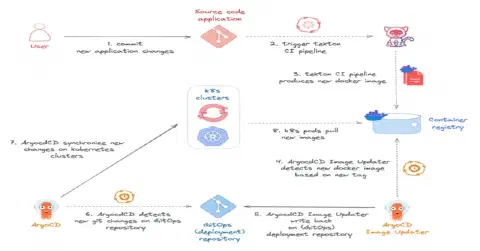
Optimize your Cloud-Native GitOps pipeline with ArgoCD Image Updater. Discover how to automate Kubernetes image updates for smoother continuous integration.
Discover how to assess and optimize the cost of your Azure Kubernetes Service (AKS) infrastructure through efficient resource utilization and monitoring tools.
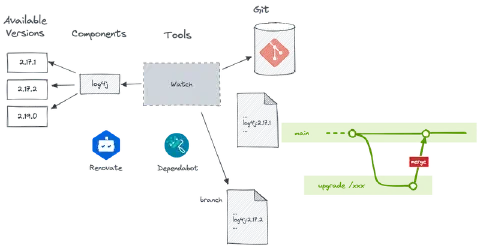
In this series on Supply Chain Attacks, let’s focus on the importance of updating your dependencies, a crucial step for the security and maintainability of your applications.
Learn how to provision Azure infrastructure to back up an AKS cluster with Terraform and Helm. Automate resource creation and deploy Velero.
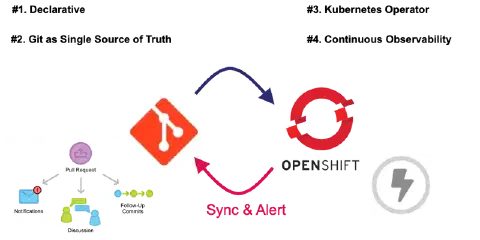
Discover the GitOps model with Red Hat OpenShift: benefits, ArgoCD and Tekton integrations, case studies, concepts, and setting up a Cloud Native GitOps CI/CD chain.
Why publishing a Software Bill of Materials (SBOM) matters for Supply Chain security, and how to generate, standardize and consolidate it across your CI/CD and container images.
What a Supply Chain Attack is, its real world impacts, and the DevSecOps best practices and CI/CD safeguards that help protect your software delivery pipeline against it.
A step by step guide to setting up a minimal local GitOps workflow on your laptop with K3D and ArgoCD, from creating the cluster to deploying a sample application.
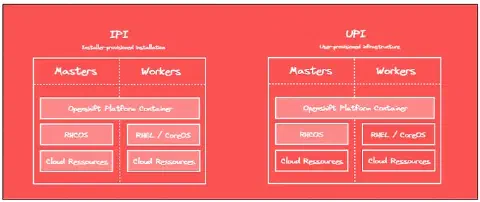
A step by step guide to deploying an OpenShift cluster on AWS: prerequisites, ignition file generation, Infrastructure as Code configuration and provisioning.
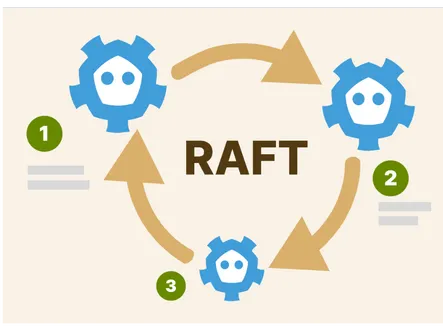
How etcd persists data through the Raft consensus algorithm, and how to fine tune it, from write ahead logging and filesystem bottlenecks to configuration flags for Kubernetes.
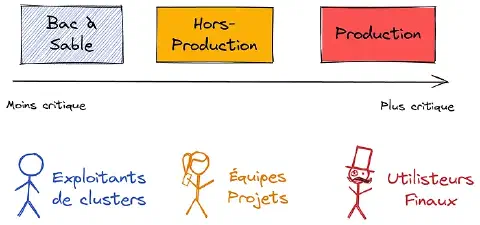
The first post in a series on working with several Kubernetes clusters: the architectural, business and organizational reasons that lead teams toward a multi cluster setup.
Firsthand feedback from passing the Certified Kubernetes Security Specialist (CKS) exam: study resources, exam tips and why security certifications matter for a Cloud Native career.
An overview of Kubernetes storage with Portworx: architecture, installation, replication, backup, and a practical pxctl cheatsheet to manage volumes on Docker and Kubernetes.
How Kubernetes’ declarative model and desired state principle work under the hood: from the API server and etcd to the kubelet, and why this makes deployments auditable and GitOps ready.
An introduction to Kubernetes Operators: what they are, how they work, when to prefer them over Helm, and how to build your own to automate complex application lifecycles.
Benchmarks comparing Quarkus and Spring Boot on startup time, JAR and Docker image size, and scalability in a Kubernetes environment using k3d.
A hands on tutorial to provision a fully managed Amazon EKS cluster with Infrastructure as Code using AWS CloudFormation, from networking setup to deploying and testing your application.
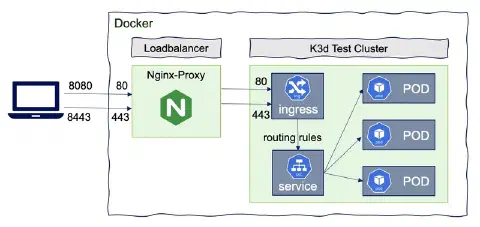
A deep dive into the new k3d v3: installing a local Kubernetes cluster, setting up multi server clusters, custom CNI plugins, ingress controllers and a private registry.
Practical tips and imperative kubectl tricks from a 95% score on the CKAD exam, to help you manage your time and create Kubernetes resources quickly under exam conditions.
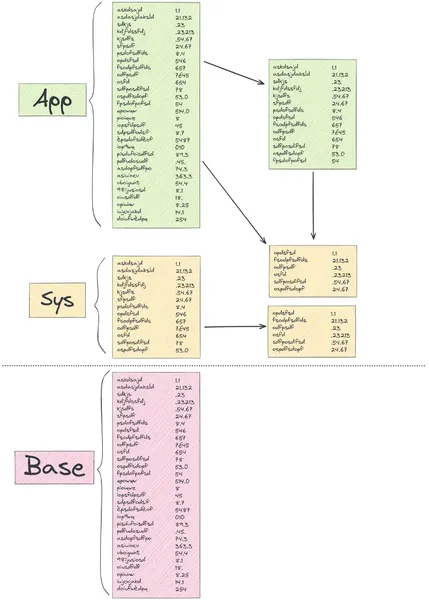
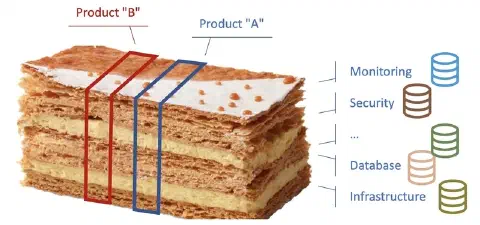
An in depth look at GitOps push versus pull deployment models, and how large enterprises can adopt a declarative, Git centric approach despite organizational silos: the millefeuille problem.
How Quarkus and GraalVM native compilation deliver near instant startup and a minimal memory footprint for Java applications, packaged in a minimal Docker image and deployed on Kubernetes.
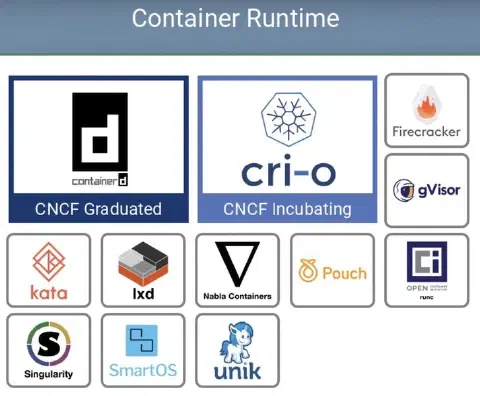
A deep dive into the Kubernetes container runtime landscape, from Docker and containerd to CRI-O and runc, and how the Container Runtime Interface (CRI) lets Kubernetes support them all.
k3d is a wrapper to easily launch a Kubernetes cluster using the very lightweight Rancher k3s distribution. It fits particularly well in a development environnement when you want to test your application with the k8s manifests in real condition or as an administrator to validate behaviours or evaluate new k8s features.